What are the common signs of water damage?
Water damage can be insidious, showing signs that are often overlooked. Common indicators include discoloration on walls or ceilings, a musty smell, and warped floors. These signs suggest that water has permeated areas it shouldn't, potentially leading to structural damage. In Cresskill, where humidity can exacerbate moisture issues, it’s essential to perform regular checks.
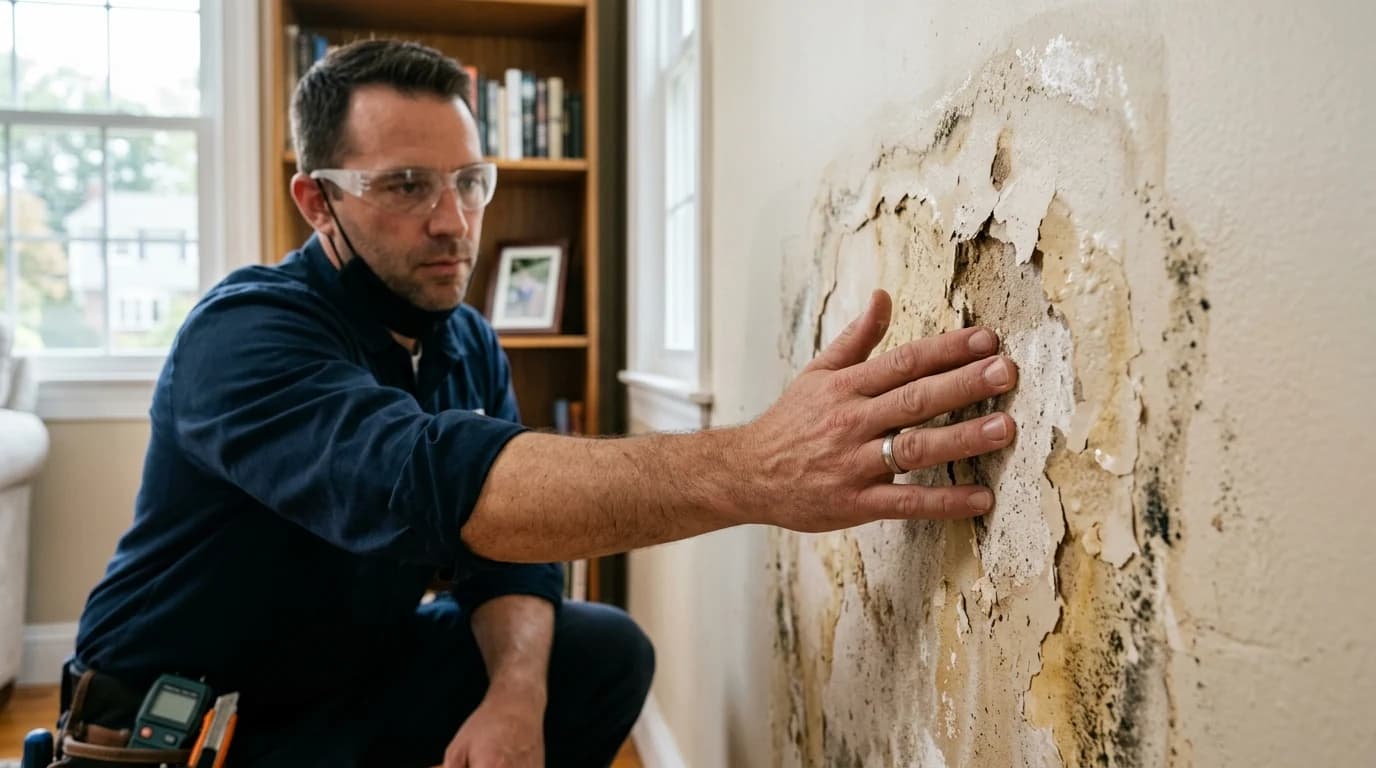
Discoloration on walls or ceilings often appears as dark or yellowish stains, which can indicate a leak from roofing or plumbing. In bathrooms and kitchens, where water usage is high, peeling paint or wallpaper can also be a sign of water intrusion. Additionally, a persistent musty smell is often a giveaway of mold growth, which thrives in damp conditions and can pose health risks.
Warped or buckling floors occur when water seeps into the subflooring. This is particularly common in areas with wooden flooring and can lead to further structural problems if not addressed promptly. In basements, check for efflorescence—a white, powdery substance on walls, indicating water seepage through concrete. Recognizing these signs early can prevent minor issues from escalating into significant repairs.
Discoloration on walls or ceilings often appears as dark or yellowish stains, which can indicate a leak from roofing or plumbing. In bathrooms and kitchens, where water usage is high, peeling paint or wallpaper can also be a sign of water intrusion. Additionally, a persistent musty smell is often a giveaway of mold growth, which thrives in damp conditions and can pose health risks.
Warped or buckling floors occur when water seeps into the subflooring. This is particularly common in areas with wooden flooring and can lead to further structural problems if not addressed promptly. In basements, check for efflorescence—a white, powdery substance on walls, indicating water seepage through concrete. Recognizing these signs early can prevent minor issues from escalating into significant repairs.
How can you inspect your home for water damage?
Inspecting your home for water damage involves a thorough check of key areas like basements, attics, and behind appliances. Look for peeling paint, mold growth, or any unusual stains. Pay particular attention to pipe joints and connections for leaks. Ensure your home in Cresskill is ready for seasonal changes by scheduling regular inspections. Learn about our services to keep your home safe.
Start your inspection in the basement, as it is prone to flooding and seepage. Check for cracks in the foundation and ensure that your sump pump is functioning correctly. In attics, look for signs of roof leaks, such as wet insulation or streaks on the rafters. These areas are often overlooked but can harbor significant water damage over time.
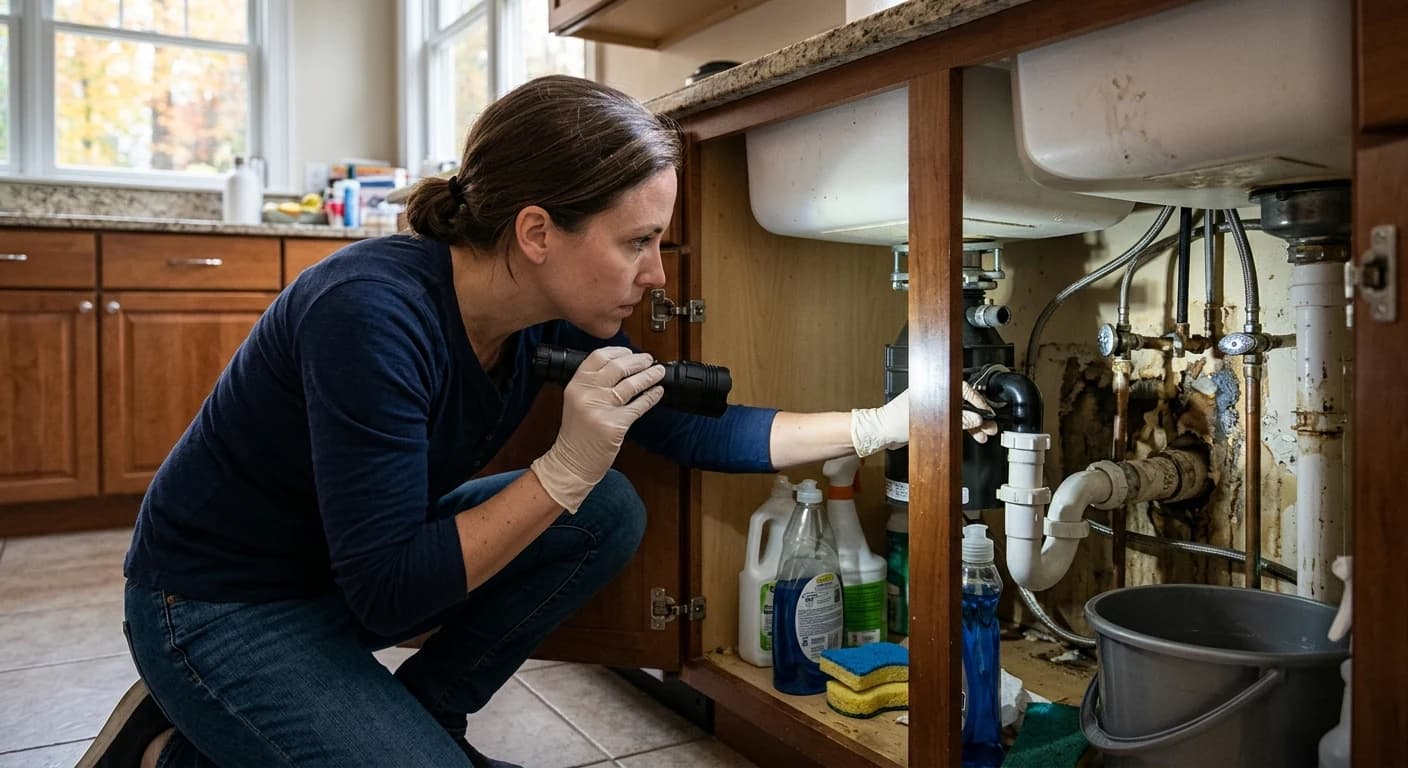
In the kitchen and bathroom, inspect under sinks and around tubs for leaks. Use a flashlight to check for any dampness or water stains. Appliances like dishwashers and washing machines should be checked regularly for hose connections and leaks. Don’t forget to inspect exterior areas, such as gutters and downspouts, to ensure they direct water away from the foundation.
Regularly inspect and maintain your HVAC system, as condensation can lead to water damage. Replace filters and clean ducts to prevent moisture buildup. In areas like Cresskill, where seasonal changes can affect humidity levels, consider using a dehumidifier to manage indoor moisture.
Start your inspection in the basement, as it is prone to flooding and seepage. Check for cracks in the foundation and ensure that your sump pump is functioning correctly. In attics, look for signs of roof leaks, such as wet insulation or streaks on the rafters. These areas are often overlooked but can harbor significant water damage over time.
In the kitchen and bathroom, inspect under sinks and around tubs for leaks. Use a flashlight to check for any dampness or water stains. Appliances like dishwashers and washing machines should be checked regularly for hose connections and leaks. Don’t forget to inspect exterior areas, such as gutters and downspouts, to ensure they direct water away from the foundation.
Regularly inspect and maintain your HVAC system, as condensation can lead to water damage. Replace filters and clean ducts to prevent moisture buildup. In areas like Cresskill, where seasonal changes can affect humidity levels, consider using a dehumidifier to manage indoor moisture.
Why is early detection important?
Early detection of water damage prevents minor issues from becoming major problems. It helps avoid costly repairs and maintains the integrity of your home's structure. By addressing water damage early, you safeguard your investment and ensure a healthy living environment. Be proactive and consult with professionals if you notice any suspicious signs.
Ignoring early signs of water damage can lead to severe structural issues, including compromised foundations and weakened support beams. This not only affects the safety of your home but can also significantly decrease its value. Additionally, prolonged exposure to moisture can lead to mold growth, which poses health risks such as respiratory problems and allergies.
Financially, addressing water damage early can save thousands in potential repair costs. Minor repairs, such as fixing a small leak, are far less expensive than major renovations needed to address widespread damage. Moreover, insurance policies often require homeowners to take preventive measures; failing to do so could result in denied claims.
Finally, maintaining a dry and secure home environment contributes to the overall comfort and well-being of your household. Regular inspections and prompt attention to water damage signs ensure that your home remains a safe haven for you and your family.
Ignoring early signs of water damage can lead to severe structural issues, including compromised foundations and weakened support beams. This not only affects the safety of your home but can also significantly decrease its value. Additionally, prolonged exposure to moisture can lead to mold growth, which poses health risks such as respiratory problems and allergies.
Financially, addressing water damage early can save thousands in potential repair costs. Minor repairs, such as fixing a small leak, are far less expensive than major renovations needed to address widespread damage. Moreover, insurance policies often require homeowners to take preventive measures; failing to do so could result in denied claims.
Finally, maintaining a dry and secure home environment contributes to the overall comfort and well-being of your household. Regular inspections and prompt attention to water damage signs ensure that your home remains a safe haven for you and your family.
What tools and techniques can help in detecting water damage?
To effectively detect water damage, utilizing the right tools and techniques is crucial. One of the most effective tools is a moisture meter, which can measure the moisture content in building materials. This device is particularly useful for identifying hidden moisture in walls, floors, and ceilings. Additionally, infrared cameras can be employed to detect temperature variations that indicate moisture presence, even behind walls or under flooring.
In addition to these tools, employing a systematic approach to inspection is key. Start by visually examining areas prone to water exposure, such as around windows, doors, and plumbing fixtures. Pay close attention to any signs of discoloration or warping. For a more thorough assessment, consider hiring a professional who can perform a comprehensive inspection using advanced equipment.
Another technique involves using your senses. A musty odor often indicates mold growth, which is a clear sign of water damage. Listen for dripping sounds or running water that might suggest a hidden leak. Regularly checking utility bills for unexplained increases can also hint at water leaks. By combining these tools and techniques, homeowners can more effectively identify and address water damage issues early, thus preventing extensive repairs and maintaining their property's value.
In addition to these tools, employing a systematic approach to inspection is key. Start by visually examining areas prone to water exposure, such as around windows, doors, and plumbing fixtures. Pay close attention to any signs of discoloration or warping. For a more thorough assessment, consider hiring a professional who can perform a comprehensive inspection using advanced equipment.
Another technique involves using your senses. A musty odor often indicates mold growth, which is a clear sign of water damage. Listen for dripping sounds or running water that might suggest a hidden leak. Regularly checking utility bills for unexplained increases can also hint at water leaks. By combining these tools and techniques, homeowners can more effectively identify and address water damage issues early, thus preventing extensive repairs and maintaining their property's value.
How to prevent water damage in your home?
Preventing water damage is all about proactive maintenance and vigilance. Start by ensuring your home's exterior is well-protected. Regularly clean gutters and downspouts to prevent blockages that can lead to water overflow and seepage. Check the roof for damaged or missing shingles and repair them promptly to prevent leaks. Additionally, ensure that the ground around your home slopes away from the foundation to prevent water pooling.
Inside the home, regular maintenance of plumbing systems is crucial. Inspect pipes for leaks, corrosion, or any signs of wear and tear. Replace old or damaged pipes to prevent potential bursts. Installing water leak detectors near appliances like washing machines and dishwashers can provide early warnings of leaks, allowing you to address issues before they escalate.
In areas like Cresskill, where seasonal changes can lead to fluctuating humidity levels, using a dehumidifier can help manage indoor moisture levels, reducing the risk of mold growth. Regularly service your HVAC system to ensure it is functioning efficiently and not contributing to indoor moisture issues. By taking these preventive measures, homeowners can significantly reduce the risk of water damage, ensuring their homes remain safe and structurally sound.
Inside the home, regular maintenance of plumbing systems is crucial. Inspect pipes for leaks, corrosion, or any signs of wear and tear. Replace old or damaged pipes to prevent potential bursts. Installing water leak detectors near appliances like washing machines and dishwashers can provide early warnings of leaks, allowing you to address issues before they escalate.
In areas like Cresskill, where seasonal changes can lead to fluctuating humidity levels, using a dehumidifier can help manage indoor moisture levels, reducing the risk of mold growth. Regularly service your HVAC system to ensure it is functioning efficiently and not contributing to indoor moisture issues. By taking these preventive measures, homeowners can significantly reduce the risk of water damage, ensuring their homes remain safe and structurally sound.
How to Respond When You Detect Water Damage
Once you detect water damage, swift action is crucial to minimize further harm. Begin by identifying and stopping the source of the water intrusion. If the damage is due to a plumbing issue, shut off the main water supply to prevent additional water from entering the system. In the case of roof leaks, temporary patches or tarps can be used to cover the affected area until professional repairs can be made.
Next, assess the extent of the damage. Remove any furniture or belongings from the affected area to prevent further damage. If possible, use fans and dehumidifiers to start drying out the space, as moisture left unaddressed can lead to mold growth and structural issues. Ensure proper ventilation by opening windows and doors, which can help expedite the drying process.
Document the damage thoroughly with photos and notes. This documentation will be essential if you need to file an insurance claim. Contact your insurance provider promptly to report the damage and begin the claims process. They may also recommend approved contractors for repairs.
Finally, consider hiring a professional water damage restoration service. These experts have the tools and knowledge to thoroughly dry and repair affected areas, ensuring that hidden moisture pockets are addressed. This comprehensive approach not only repairs visible damage but also prevents future issues, safeguarding your home’s integrity.
Next, assess the extent of the damage. Remove any furniture or belongings from the affected area to prevent further damage. If possible, use fans and dehumidifiers to start drying out the space, as moisture left unaddressed can lead to mold growth and structural issues. Ensure proper ventilation by opening windows and doors, which can help expedite the drying process.
Document the damage thoroughly with photos and notes. This documentation will be essential if you need to file an insurance claim. Contact your insurance provider promptly to report the damage and begin the claims process. They may also recommend approved contractors for repairs.
Finally, consider hiring a professional water damage restoration service. These experts have the tools and knowledge to thoroughly dry and repair affected areas, ensuring that hidden moisture pockets are addressed. This comprehensive approach not only repairs visible damage but also prevents future issues, safeguarding your home’s integrity.
Understanding the Long-Term Effects of Water Damage
Understanding the long-term effects of water damage is crucial for homeowners aiming to protect their property and health. Water damage, if not addressed promptly, can lead to structural deterioration. Over time, moisture weakens wooden structures, leading to sagging floors and compromised support beams. This structural weakening can result in costly repairs and even pose safety risks.
Moreover, prolonged exposure to moisture creates an ideal environment for mold and mildew growth. These fungi not only damage building materials but also pose significant health risks, including respiratory issues and allergic reactions. In Cresskill, where seasonal humidity can exacerbate these conditions, maintaining a dry environment is particularly important.
Water damage can also lead to electrical hazards. Water exposure to electrical outlets and wiring increases the risk of short circuits and fires. Regular inspections by a qualified electrician can help mitigate these risks, ensuring your home remains safe.
Additionally, water damage can have financial implications beyond repair costs. It can decrease property value and make it difficult to sell the home. Prospective buyers are often wary of homes with a history of water damage due to potential hidden issues. Therefore, addressing water damage promptly and thoroughly is not only a matter of maintaining your home’s structure and safety but also preserving its market value.
Moreover, prolonged exposure to moisture creates an ideal environment for mold and mildew growth. These fungi not only damage building materials but also pose significant health risks, including respiratory issues and allergic reactions. In Cresskill, where seasonal humidity can exacerbate these conditions, maintaining a dry environment is particularly important.
Water damage can also lead to electrical hazards. Water exposure to electrical outlets and wiring increases the risk of short circuits and fires. Regular inspections by a qualified electrician can help mitigate these risks, ensuring your home remains safe.
Additionally, water damage can have financial implications beyond repair costs. It can decrease property value and make it difficult to sell the home. Prospective buyers are often wary of homes with a history of water damage due to potential hidden issues. Therefore, addressing water damage promptly and thoroughly is not only a matter of maintaining your home’s structure and safety but also preserving its market value.